Blog
Grand Theft Auto (GTA) Series: A Complete Beginner-Friendly Guide (Timeline, Games, Settings & What Makes Each One Special)
If you’re new to the Grand Theft Auto universe—or you’ve only played one title—this guide is made for you. The GTA series is one of the most influential franchises in gaming history, shaping how open-world games are built and played.
In this article, we’ll cover:
- What GTA is and why it matters
- The main GTA games in release order
- How the settings (cities) evolved over time
- The biggest gameplay and technology changes across the series
- Which GTA is best for beginners to start with
This is written in a clean, informative style suitable for a general audience—ideal for building trust, readability, and strong site quality. (more…)
31 GTA Secrets Nobody Talks About (The Unspoken Truth Behind Rockstar’s Series)
“They Never Told You THIS About GTA…” 31 Secrets, Oddities & Unspoken Truths Hidden Across the Series
Everyone thinks they know GTA.
They’ll tell you it’s about stealing cars, outrunning cops, and laughing at a world that looks suspiciously like ours. They’ll rank games, argue about maps, and fight over which protagonist “carried” the franchise.
But here’s the problem:
Most GTA writing repeats the same surface facts.
Same release dates. Same “best missions.” Same “Vice City vibes.” Same “San Andreas is huge.” Same “GTA IV is dark.” Same “GTA V is a blockbuster.”
So let’s do something different—something that feels like you found a folder Rockstar never meant to leave open.
This article isn’t about what GTA is on paper.
It’s about what GTA is in your head—the hidden design rules, the uncomfortable truths, the weird patterns across games, and the little things that most people feel but never explain.
Warning: after reading this, you’ll notice GTA differently. And that might ruin you—in the best way. 👀 (more…)
GTA 1 to GTA 6: Rockstar’s 29-Year Crime Experiment (The SHOCKING Evolution They Never Wanted You to Notice)
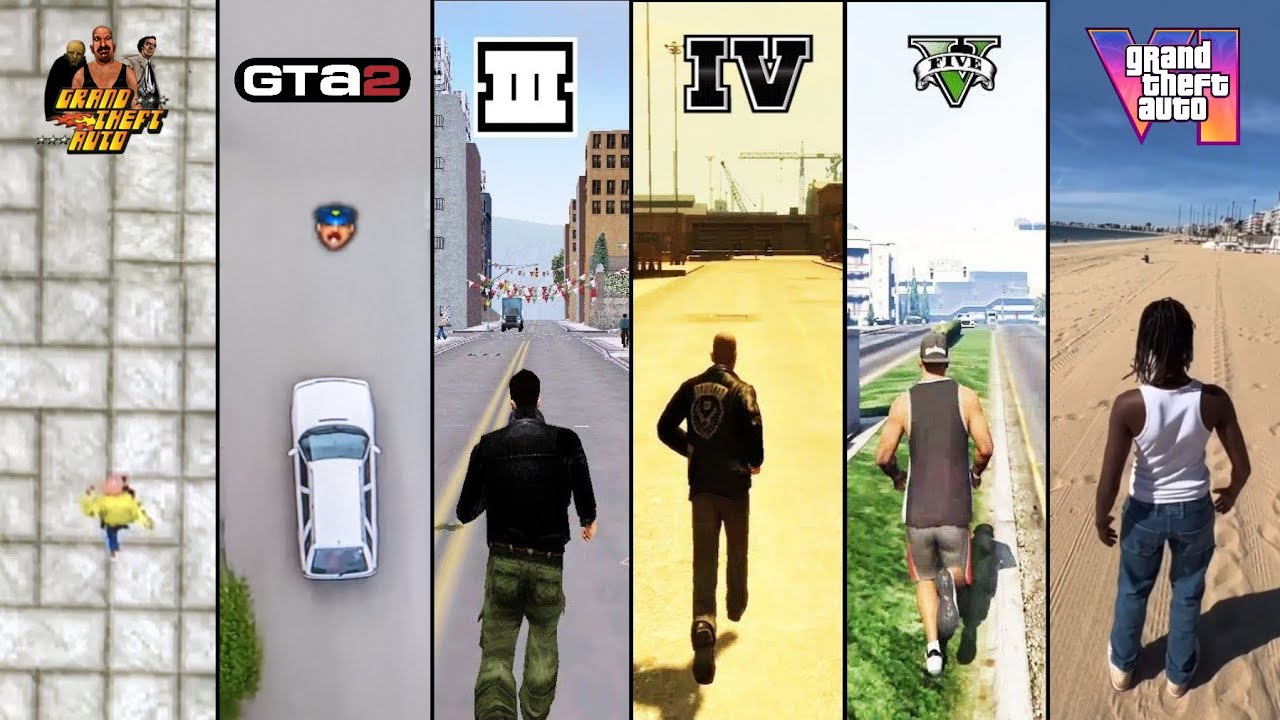
It begins with a city that doesn’t know you.
No one cheers when you arrive. No one cares who you are. Traffic moves like blood through veins, strangers shout nonsense, sirens cut the air… and somewhere in that noise, Rockstar hands you a terrifying gift:
Freedom.
In 1997, Grand Theft Auto wasn’t “cinematic.” It wasn’t “prestige.” It wasn’t even trying to be loved. It was an experiment—almost a dare:
“What happens if we drop you into a city and let you do the worst things… and then we watch what you choose?”
Now it’s 2026. GTA 6 is on the horizon. And if you trace the series from GTA 1 to GTA 6, you realize Rockstar didn’t just upgrade graphics. It upgraded the way you think inside a world.
This is the story of that evolution—told like a crime saga, compared like a technical autopsy, and written to expose the changes people argue about without understanding. (more…)
Rockstar’s Galaxy-Level Secret: Why GTA & Red Dead Hook You Forever
I Played GTA Like a Red Dead Outlaw for 24 Hours… and Rockstar Revealed Its Next “Galaxy-Level” Trick
This wasn’t supposed to happen.
I didn’t wake up planning to write the most unhinged Rockstar story you’ll read all week. I just wanted to test a dumb idea: what if you played GTA with the soul of Red Dead? No speed-running. No “mission mission mission.” No chaos-for-views behavior. Just… presence. Patience. Rules. Like an outlaw who actually fears consequences.
And then Rockstar did what Rockstar always does.
It turned a harmless experiment into a rabbit hole so deep it felt like the game itself was watching me back. 👀
Because somewhere between a neon highway and a quiet shoreline—between a stolen car that should’ve been forgettable and a stranger who shouldn’t have been there—I realized the truth:
Rockstar has been building the same secret weapon for decades.
GTA. Red Dead. Different eras. Different tones. Same invisible machine underneath.
And if I’m right… the next Rockstar world won’t just be “bigger.” It’ll be smarter than the player. (more…)
I Tried to “Escape” Rockstar’s Open Worlds… and It Exposed the One Thing GTA and Red Dead Are Hiding
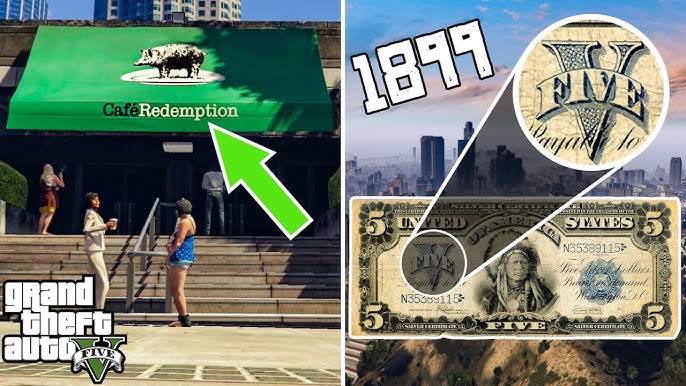
It sounds dramatic, I know. But if you’ve ever played GTA or Red Dead for “just 20 minutes” and then looked at the clock like it betrayed you… you already understand the problem.
Rockstar games don’t just entertain you.
They capture you.
And one night, I decided to do something stupid: I tried to beat Rockstar at its own game. Not by finishing missions faster. Not by getting rich. Not by becoming a five-star legend.
I tried to do the one thing Rockstar never wants you to do:
I tried to leave.
Not quit the game. Not turn off the console. I mean leave the world—psychologically. I wanted to figure out why Rockstar worlds keep pulling people back for years, even after the story ends.
I thought I’d find one secret.
I found three. (more…)
I Followed a GTA Rumor Into a Red Dead Town… and Found Rockstar’s “Missing Game”
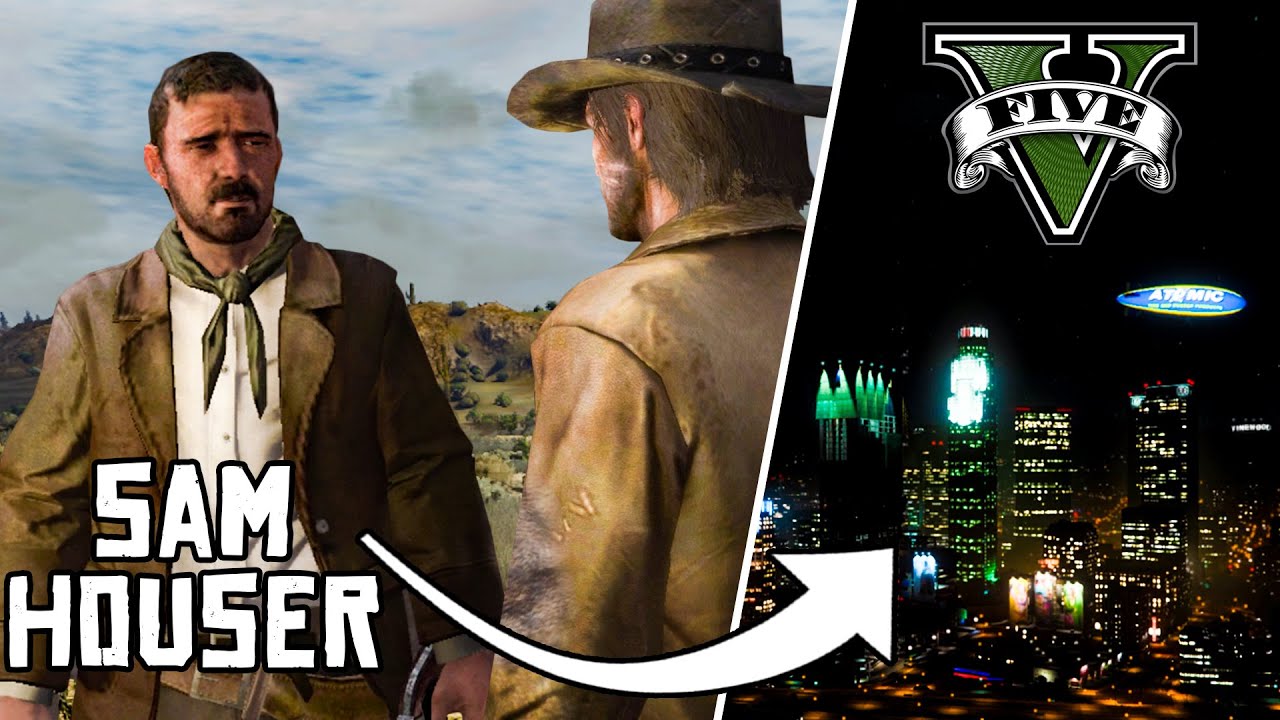
It started with a screenshot.
Not the kind you frame. Not the kind you brag about. The kind you delete because it looks too ordinary to matter—until you zoom in and realize it doesn’t belong in the world you’re staring at.
A blurry sign. A street name that shouldn’t exist. A texture that looks like it came from a completely different era. And one tiny symbol—barely visible—sitting in the corner like it was daring someone to notice.
I wasn’t supposed to care.
But if you’ve ever lived inside a Rockstar game—really lived inside it—you already know the rule: nothing is accidental. Not the radio ad you laughed at. Not the stranger you ignored. Not the cabin you found at 2AM when you were “just exploring.” Rockstar doesn’t build worlds. Rockstar builds traps.
And this one was bait. (more…)
Rockstar’s REAL Masterpiece Is NOT GTA: The Brutal GTA vs Red Dead Truth Nobody Wants to Admit
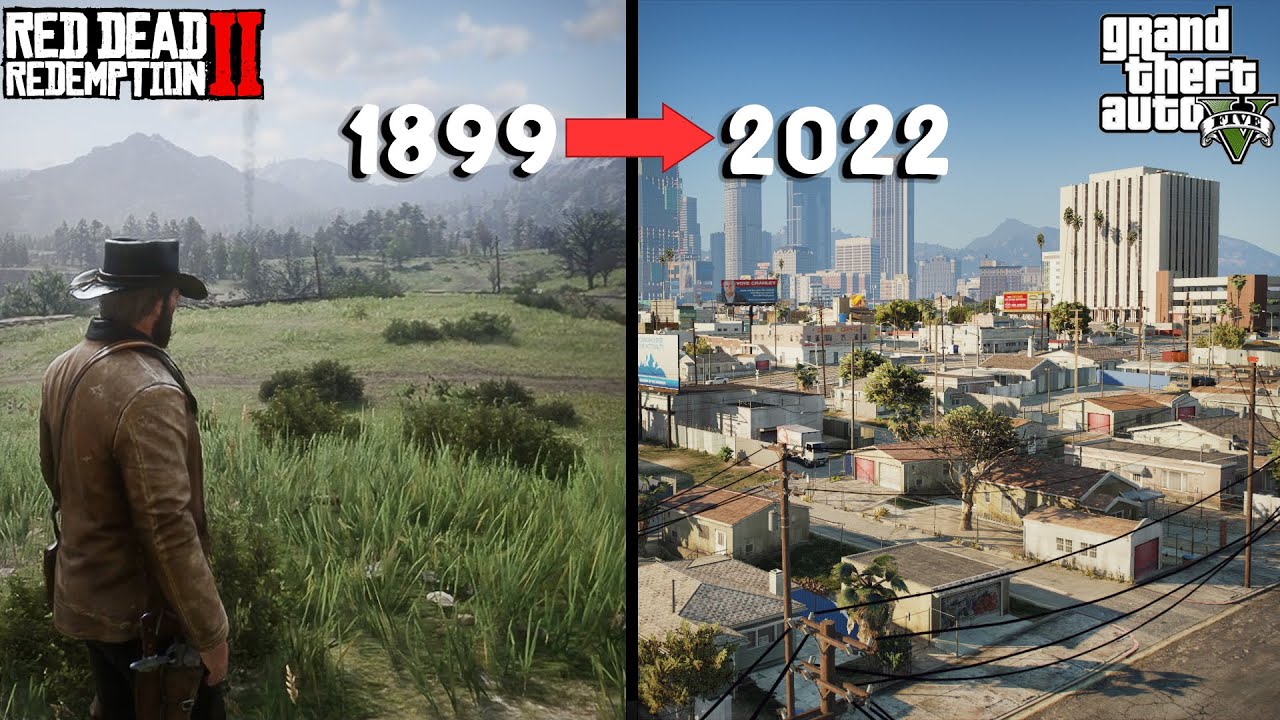
If you’ve ever argued about whether GTA or Red Dead is Rockstar’s best work, you’re already playing Rockstar’s favorite game: comparison as obsession. Because Rockstar doesn’t just ship “games.” It ships eras. Each release becomes a reference point that rewires how open worlds are judged.
But here’s the uncomfortable reality: GTA and Red Dead aren’t competing on the same battlefield. They’re two different philosophies built by the same studio—one obsessed with satire, speed, and chaos, the other built on silence, consequence, and soul.
So let’s do the comparison properly—from the early days to modern Rockstar—and answer the question that triggers fan wars faster than a five-star wanted level:
Did Rockstar peak with GTA… or did Red Dead quietly surpass it? (more…)
Mind-Blowing GTA Facts You Probably Never Knew (Rockstar’s Wildest Secrets, Hidden Details & Real-World Inspirations)
Grand Theft Auto isn’t just a game franchise—it’s a cultural machine that keeps reinventing what “open world” even means. Over the years, GTA has built a reputation for insane freedom, razor-sharp satire, unforgettable characters, and details so obsessive that players are still discovering new things decades later.
But here’s the twist: a lot of GTA’s most fascinating truths aren’t the obvious ones. The most interesting parts live in the weird corners—cut content, hidden systems, real-world inspirations, controversial moments, technical breakthroughs, and tiny design choices that changed the entire industry.
So if you think you “know GTA,” get ready. This is a deep dive into some of the most interesting GTA-related facts across the series—packed with lore, tech history, worldbuilding details, and Rockstar’s signature obsession with making every street feel like it has a story. (more…)
THE GTA GAME YOU THINK IS #1 IS A LIE
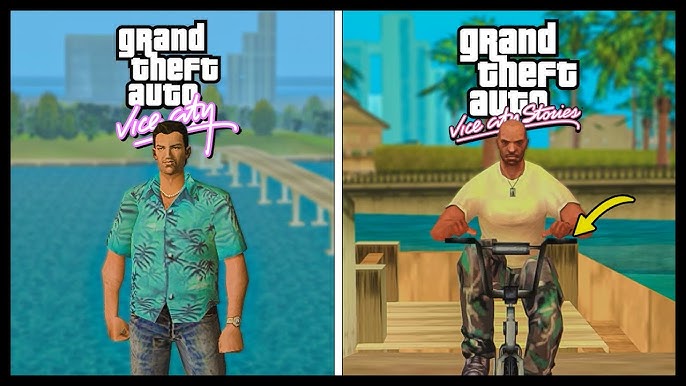
The Brutally Honest GTA Series Comparison Rockstar Fans Can’t Handle (Story, Tech, Engines, Characters, Maps & The Secret Team Evolution Behind It All)
For nearly three decades, Grand Theft Auto has done something no other franchise can replicate: it doesn’t just release games — it rewires the entire industry every time it shows up. Each “main” GTA doesn’t merely look better than the last. It changes what players expect from open worlds, what critics call “immersion,” and what studios quietly copy for the next decade.
And now, with Grand Theft Auto VI officially locked for November 19, 2026 (yes, Rockstar has stated this date), the whole series is being re-judged with fresh eyes.
So let’s do the one comparison most fans avoid because it’s too uncomfortable:
Which GTA is actually the best — and why are people so confidently wrong?
This is not a nostalgia contest. This is a full breakdown of the GTA series by:
-
Story and tone (comedy vs tragedy vs realism)
-
Core tech and engine evolution (the hidden reason “old GTA” feels different)
-
Systems and features (AI, physics, police, driving, wanted systems)
-
Characters and writing (why some leads became legends and others… didn’t)
-
Maps and world design (the real kingmakers of GTA’s identity)
-
Rockstar’s team evolution (how the studio’s internal growth changed the games)
And yes: we’ll end by explaining why GTA 6 has the most dangerous advantage in franchise history — and why it might also be Rockstar’s riskiest bet.

1) GTA’s “DNA”: Why Comparing This Series Is Actually Hard
Most franchises iterate. GTA mutates.
-
The early games were chaotic crime sandboxes with “get the job done” missions.
-
The 3D era turned GTA into a cinematic crime saga machine.
-
GTA IV pivoted hard into grounded tragedy and simulation-heavy physics.
-
GTA V became the ultimate blockbuster satire with multi-protagonist structure.
-
GTA VI is being positioned as the biggest, most immersive evolution yet — Rockstar’s own wording.
So when someone says “San Andreas is best” or “GTA IV is underrated,” they’re often talking about different definitions of ‘best.’ One person means story, another means freedom, another means vibes, another means physics, another means content density.
This article forces them into the same arena.
2) The Engine Timeline: The Hidden Reason Each GTA Feels Like a Different Reality
If you only compare graphics, you miss the point. GTA’s identity comes from how the world behaves, and that’s engine and systems work.
The Pre-3D Era (GTA 1, GTA 2): “Top-Down Chaos”
These games were about moment-to-moment mayhem. The tech was limited, but the fantasy was clear: be the problem in a living city.
-
Strength: Pure sandbox chaos
-
Weakness: Minimal character-driven storytelling
-
Why it matters today: It established GTA’s core promise — freedom with consequences.
The 3D Leap (GTA III → Vice City → San Andreas): “Open World Becomes a Place”
GTA III didn’t just “go 3D.” It made the city feel like a system you could manipulate: traffic, pedestrian behavior, wanted levels, radio stations, mission chains.
Vice City proved GTA could deliver style and character voice. San Andreas proved GTA could deliver scale and RPG-like systems without losing its identity.
The HD Leap (GTA IV → GTA V → GTA VI): “Simulation Wars”
GTA IV’s era pushed realism: heavier driving, more grounded animations, physics that felt unpredictable.
GTA V balanced realism with responsiveness and spectacle — and built a foundation for the biggest long-tail multiplayer ecosystem Rockstar ever created.
GTA VI is now framed by Rockstar as the “most immersive evolution” of the series, set in Leonida with Vice City and beyond.

3) Story Showdown: Which GTA Has the Best Narrative (And Which One Cheats)?
Let’s get controversial immediately:
GTA IV is Rockstar’s most emotionally serious crime story.
Niko Bellic is written like a man trying to outrun himself — war trauma, moral compromise, the American dream collapsing in real time. GTA IV doesn’t “wink” as much. It stares.
Why it hits:
-
Consequences feel personal
-
The world’s cynicism matches the story’s tragedy
-
The tone is consistent (rare in GTA)
Why some fans reject it:
-
“It’s too depressing.”
-
“Driving feels heavy.”
-
“Where’s the goofy freedom?”
That’s not a flaw. That’s a design choice.
San Andreas is the best “epic saga.”
CJ’s story is a full journey: family, betrayal, corrupt institutions, identity, and survival. It’s dramatic, ridiculous, heartfelt, and massive.
Why it hits:
-
The cast feels like a TV series
-
The arc has momentum
-
The world matches the “state-wide” narrative
Why it “cheats”:
San Andreas is so huge that it can overwhelm you with quantity — which tricks the brain into feeling like it has “more story” even when many mission beats are gameplay-driven.
Vice City is the best “crime rise” story.
Tommy Vercetti is practically a neon-lit myth. Vice City nails the fantasy: power, money, betrayal, empire.
Why it hits:
-
Tight arc
-
Iconic tone
-
The city and story are inseparable (Miami-style glamour and danger)
GTA V is the best “blockbuster structure.”
Three protagonists is genius and a gamble. Michael is midlife collapse, Franklin is ambition, Trevor is chaos.
Why it hits:
-
Pacing feels cinematic
-
Variety is unmatched
-
Missions are set pieces with personality
Where it loses points:
GTA V’s satire is so constant that emotional depth sometimes gets undercut. It’s intentionally clowning — which is fun — but it can make the story feel less “human” than GTA IV.
GTA VI might become the most intimate GTA story ever — if Rockstar commits.
Rockstar has confirmed the setting (Leonida) and the “Vice City and beyond” framing, but the biggest narrative promise is the relationship dynamic of its protagonists.
And Rockstar has also publicly set November 19, 2026 as release.
A duo story can go two ways:
-
Legendary: if the relationship drives choices, tension, and evolving trust
-
Generic: if it’s just “two criminals doing missions” with cutscenes in between
This is the line between “best GTA ever” and “wasted potential.”
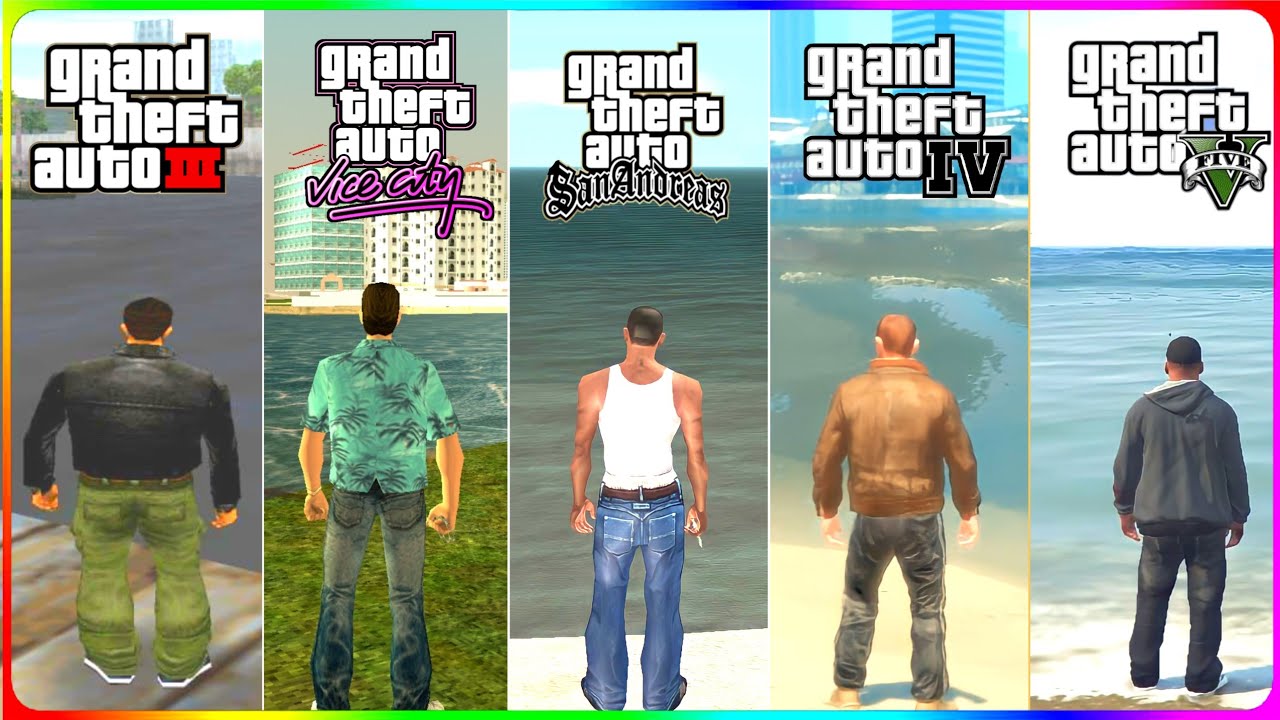
4) Character Wars: The Protagonist Ranking People Hate
Let’s be honest: GTA’s protagonists carry the franchise. A mediocre lead turns a great city into a theme park. A great lead turns an average mission into a memory.
Tier 1: Icons Who Define Their Era
-
CJ (San Andreas): the most complete hero arc
-
Niko (GTA IV): the most human and internally consistent
-
Tommy (Vice City): the purest “crime rise” fantasy lead
Tier 2: Brilliant Concepts, Divisive Execution
-
Michael (GTA V): character depth, but sometimes swallowed by satire
-
Trevor (GTA V): unforgettable, but intentionally exhausting
-
Franklin (GTA V): relatable, but often feels like the “observer” between bigger personalities
Tier 3: “Silent Legend” Era
-
Claude (GTA III): iconic for what he represented (3D leap), but limited as a character
Why GTA VI’s duo matters:
A two-lead structure can be more emotionally powerful than three — less fragmentation, more intensity. Rockstar already frames GTA VI as the series’ biggest immersive evolution. If that immersion extends into character systems (trust, heat, reputation, relationship strain), the duo could outclass every prior lead format.
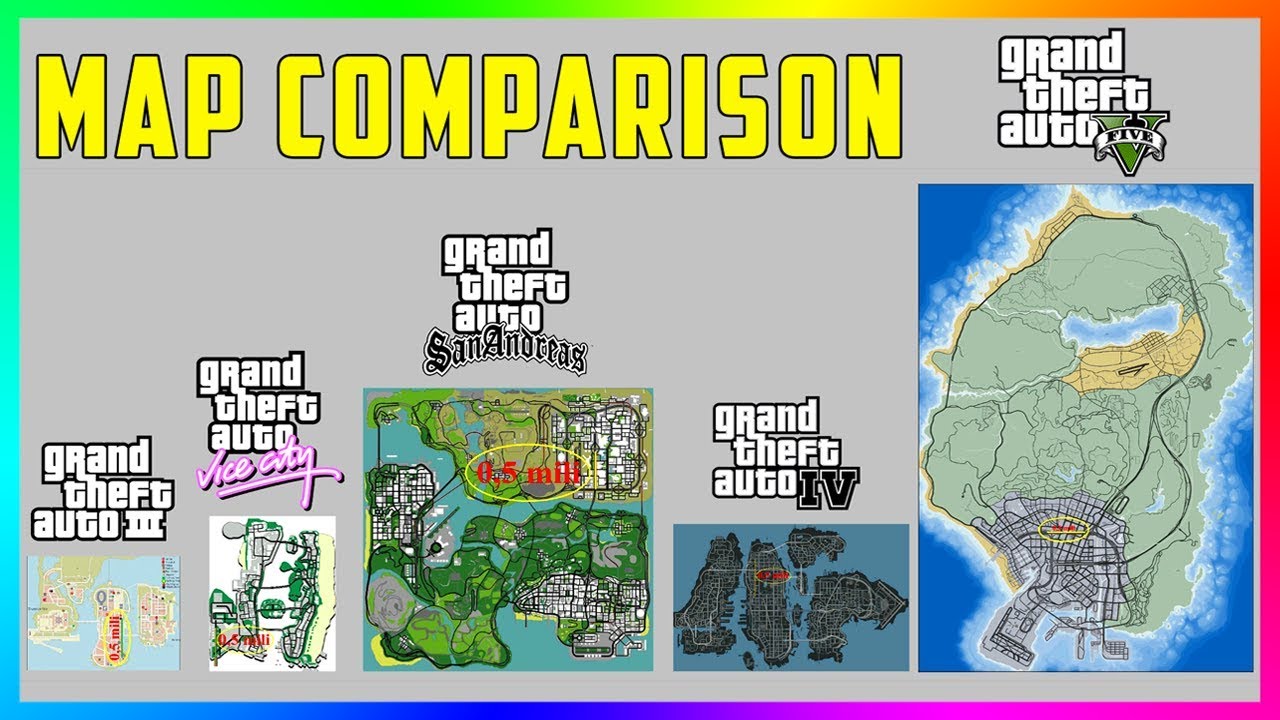
5) Map Comparison: The Real Reason Some GTAs Feel “Bigger” Than They Are
Maps aren’t just size. They’re identity density.
Liberty City (GTA III / GTA IV): The Pressure Cooker
Liberty City feels like a machine that doesn’t care about you. It’s vertical, crowded, harsh.
-
GTA III: revolutionary layout for its time
-
GTA IV: detail density and realism turned it into a living city simulation
Liberty City is where GTA becomes a social ecosystem.
Vice City (Vice City / GTA VI): The Fantasy Trap
Vice City is addictive because it’s all mood. Neon, beaches, nightlife, sunlit crime.
And now Rockstar confirms GTA VI heads to Leonida, home to the neon-soaked streets of Vice City and beyond.
That “and beyond” phrase is doing heavy lifting. It signals:
-
multiple biomes
-
rural / swamp / highway culture
-
social-media-era chaos
-
and a broader “state” feel (like San Andreas, but modern)
San Andreas (San Andreas / GTA V’s Los Santos region): The Scale King
San Andreas (2004) is the first time GTA felt like a journey. Multiple cities, deserts, countryside — it made the player feel like they were traveling.
GTA V’s Los Santos + Blaine County is the modern echo of that. It’s not three major cities, but it uses geography to create distinct vibes:
-
urban wealth
-
rural madness
-
coastlines
-
mountain roads
-
desert emptiness
Why GTA VI could dominate:
If Leonida truly delivers “Vice City and beyond” at modern hardware density, it could combine:
-
the mood addiction of Vice City
-
the travel fantasy of San Andreas
-
the simulation density of GTA IV
-
the content variety of GTA V
That’s the recipe for a map people don’t just play — they live in.
6) Systems & Features: The “Feel” of GTA Is a Design Philosophy War
Here’s the painful truth:
Some fans love “arcadey GTA.”
Others love “simulation GTA.”
Rockstar has to choose a balance every time.
Wanted Level & Police: From Simple Heat to Predictive Pressure
-
Early 3D era: cops were reactive and gamey
-
GTA IV: cops felt more physical, chasing became heavier
-
GTA V: police tools expanded, pursuit pacing improved
The real next-gen leap for GTA VI would be:
-
more believable escalation
-
smarter search behavior
-
crowd reactions that change your options
-
“heat memory” that persists beyond one chase
Driving: The Most Divisive GTA Feature Ever
-
GTA IV driving: weight, realism, slide management
-
GTA V driving: more responsive, less punishing, more “fun-first”
GTA VI will be judged brutally on driving feel because:
-
modern open worlds live and die on movement
-
GTA’s cars are basically its second protagonist
NPCs & World Behavior: The True Next-Gen Flex
Graphics wow you for 30 minutes. NPC behavior keeps you for 300 hours.
If Rockstar’s “most immersive evolution” claim is real, GTA VI’s crowds, routines, reactions, and emergent moments should be on another level.

7) Technical Evolution: What Each GTA Actually “Added” That Changed Everything
GTA III: “A City You Can Disrupt”
-
3D freedom
-
mission structure that felt cinematic
-
radio culture as worldbuilding
Vice City: “Style as a System”
-
vibes became gameplay
-
music + era authenticity drove immersion
San Andreas: “RPG Systems in an Open World Crime Game”
-
customization, stats, fitness, territory wars
-
three-city scale
-
roleplay before “roleplay servers” were mainstream
GTA IV: “Physics and Realism as Tone”
-
grounded animations
-
physical comedy that wasn’t scripted
-
an open world that felt less like a playground and more like a place
GTA V: “Multi-Protagonist Blockbuster + Online Future”
-
character switching
-
mission set-piece variety
-
the foundation for a long-running online ecosystem
GTA VI: “Immersion + Scale + Modern Culture Pressure”
-
Leonida setting, Vice City return, “and beyond” scope
release date publicly stated as Nov 19, 2026
-
potential for systemic storytelling through a duo protagonist structure
8) The Rockstar Team Evolution: The Unspoken Reason GTA Changed Its Voice
People talk about “Rockstar magic” like it’s a mystical substance.
It’s not. It’s team evolution.
As Rockstar grew, GTA shifted from:
-
gameplay-first chaos
to -
cinematic mission design
to -
simulation-heavy systems
to -
blockbuster pacing + online longevity
Each era required different expertise:
-
world design pipelines
-
animation systems
-
narrative direction
-
tools engineering
-
performance optimization
-
multiplayer infrastructure
And the bigger the studio became, the more GTA started feeling like a platform rather than a single product.
That matters for GTA VI more than any game before it. Because GTA VI isn’t launching into a vacuum — it’s launching into a world where:
-
players expect constant updates
-
online ecosystems last for years
-
content creators turn systems into entertainment
-
and the internet turns every NPC glitch into a viral event
Your site is literally built around that real-time hype loop — news, leaks, trailers, features — and the homepage layout reflects it.
9) So… Which GTA Is Actually “The Best”?
Here’s the verdict fans fight over — and the only way it makes sense:
If you care about pure story depth:
GTA IV wins.
If you care about epic scale and journey:
San Andreas wins.
If you care about vibes, style, and iconic tone:
Vice City wins.
If you care about mission variety, pacing, and modern spectacle:
GTA V wins.
If you care about the future of open worlds:
GTA VI has the highest ceiling — and the highest risk.
Because Rockstar isn’t just promising a new GTA. It’s literally describing GTA VI as the biggest, most immersive evolution of the series, set in Leonida with Vice City and beyond.
And it has publicly set its release date for Thursday, November 19, 2026.
That combination (scope + immersion + modern culture + duo protagonists) could produce the most replayable narrative sandbox ever made… or a game so hyped that nothing feels “enough.”
10) The Final Bombshell: Why GTA VI Might Make Every Old GTA Feel “Small” Overnight
Here’s the uncomfortable prediction:
Most fans don’t actually want “a new GTA.”
They want the feeling they had when GTA changed their world the first time.
GTA III did it with 3D freedom.
Vice City did it with style.
San Andreas did it with scale.
GTA IV did it with realism.
GTA V did it with blockbuster variety.
GTA VI’s chance to do it comes from one brutal advantage:
Modern culture is already a GTA parody of itself.
Social media, viral crime clips, influencer chaos, Florida-style headlines — reality has become satire. And Rockstar is returning to a Vice City-style world in a fictional state (Leonida) built for that energy.
If Rockstar nails the systems — AI, police behavior, NPC reactions, relationship-driven story pressure — GTA VI won’t just be “the next GTA.”
It’ll be the first GTA that feels like it’s not mocking the world…
but documenting it.
And that’s the kind of shift that makes the entire franchise ranking explode overnight.
GTA 6 Release Date: What Rockstar Has Confirmed So Far
GTA 6 Release Date: What Rockstar Has Confirmed So Far
GTA 6 Release Date: What Rockstar Has Confirmed So Far is a premium evergreen topic for GTA 6 readers because it touches confirmed signals, official timing patterns, and reader expectations. Instead of recycling the same broad phrases, this article is written to give the page a clear angle, stronger structure, and more practical value. Readers usually land on pages like this because they want context, not just another restatement of the headline. A better article explains why the topic matters, how to interpret new information, and where it fits in the larger GTA 6 ecosystem. That kind of writing is better for user trust, internal linking, and long-term search visibility. When Rockstar reveals more, the strongest pages are the ones that can absorb new information without losing clarity or relevance. This is why gta 6 release date: what rockstar has confirmed so far deserves more than a thin summary. It deserves structured coverage that helps readers think clearly. The goal here is to combine clean formatting, topic depth, and an angle that feels specific to this article rather than copied from every other post. Good GTA 6 coverage should reduce confusion, organize speculation, and guide visitors naturally toward related pages